Measuring Mastery: The Ultimate Guide to Typing Tests
Welcome to our comprehensive guide on typing tests measure progress. Whether you are aiming to increase your words per minute (WPM), improve your keyboard ergonomics, or completely transform your daily workflow, understanding the mechanics of typing is essential in today's digital age. In this detailed breakdown, we cover everything you need to know.
Understanding Typing Test Metrics
To truly grasp the fundamentals of typing tests measure progress, we must first look at the core mechanics. Our hands and brain communicate in complex ways, and optimizing that pathway is the secret to high-speed keyboarding. This section outlines the structural foundations.
- Muscle Memory: The unconscious cognitive process of finger placement.
- Visual Independence: Typing without looking at the keycaps.
- Ergonomic Alignment: Reducing strain to maintain speed.
WPM, AWPM, and CPM Explained
When discussing wpm, awpm, and cpm explained, the scientific consensus is clear. The motor cortex adapts to repetitive finger movements, forming neural pathways that bypass conscious thought. This is why elite typists can hold a conversation while typing flawlessly. It requires deliberate, slow practice initially.
The Importance of Consistency Metrics
The contrast highlighted by the importance of consistency metrics demonstrates a massive gap in efficiency. By adhering strictly to standard practices, users avoid the bottleneck of visual processing. We recommend utilizing our typing trainer daily to enforce these neural patterns.
How to Properly Warm Up for a Typing Test
Now that we have established the 'why', let's delve into the 'how'. Implementing typing tests measure progress requires a structured approach. Below, we break down the actionable steps required to integrate these techniques into your workflow immediately.
| Phase | Focus Area | Expected Outcome |
|---|---|---|
| Phase 1 | Home Row Anchoring | 95% Accuracy Base |
| Phase 2 | Top/Bottom Row Extensions | Full Keyboard Mastery |
| Phase 3 | Speed & N-gram Bursting | 80+ WPM Unlocked |
Physical Finger Stretches
Implementing physical finger stretches is your next critical milestone. Do not rush this step. Speed is a byproduct of accuracy. If you attempt to rush, you will encode incorrect muscle memory, which takes three times as long to unlearn.
Short Burst Practice Runs
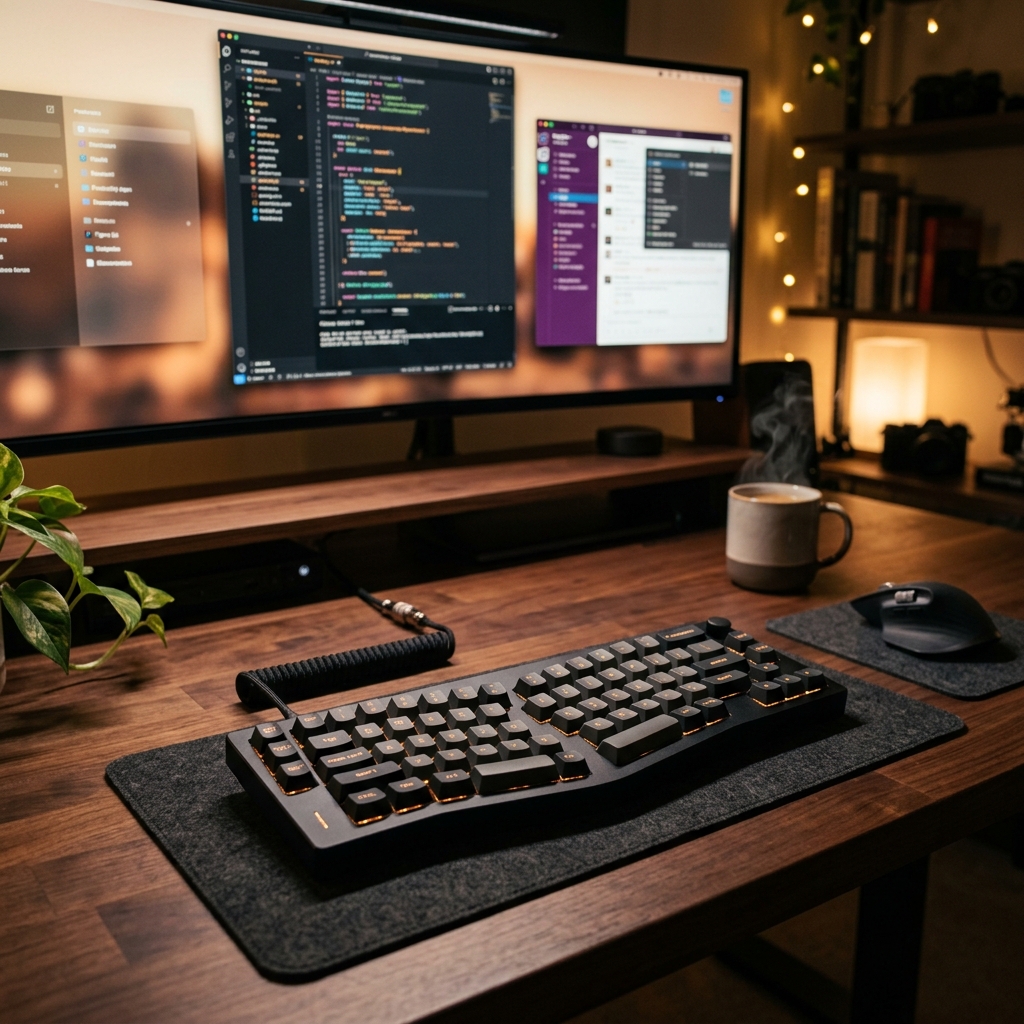
Finally, mastering short burst practice runs solidifies your skills. Ensure your hardware supports your goals—whether you are using a standard membrane keyboard or a high-end split ortholinear mechanical board, the principles of physics and ergonomics remain the same.
Ready to Put This Into Practice?
Test your skills now and track your progress over time with our precision typing tools.
Start Typing TestFrequently Asked Questions (FAQ)
What is a good typing test score?
The global average is 40 WPM. Anything above 60 WPM is good, and above 100 WPM is excellent.
Why is my speed lower on quotes vs random words?
Quotes include punctuation, capitalization, and numbers, which require complex finger movements and slow you down.
Are typing skills still relevant with voice dictation?
Absolutely. While voice-to-text is advancing, typing remains the primary and most accurate method for coding, complex formatting, quiet environments, and professional communication.